How Global Buyers Source Building Materials in 2026
Global sourcing has changed significantly in recent years. For distributors, contractors, developers, and importers, buying building materials is no longer just about finding the lowest price—it’s about balancing cost, quality, lead time, and supply chain risk.
Today’s global buyers typically begin with clear product requirements: specifications, material type, project quantity, target delivery timeline, and destination market requirements.
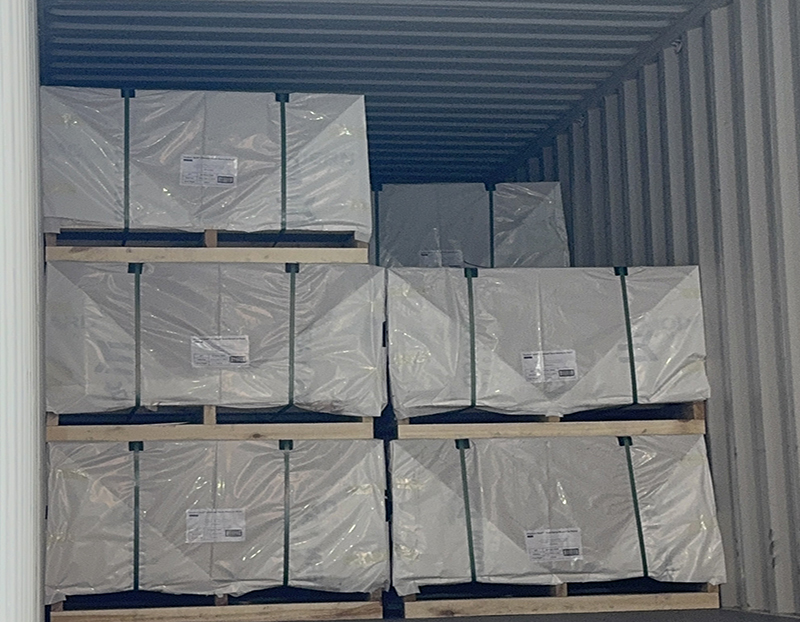
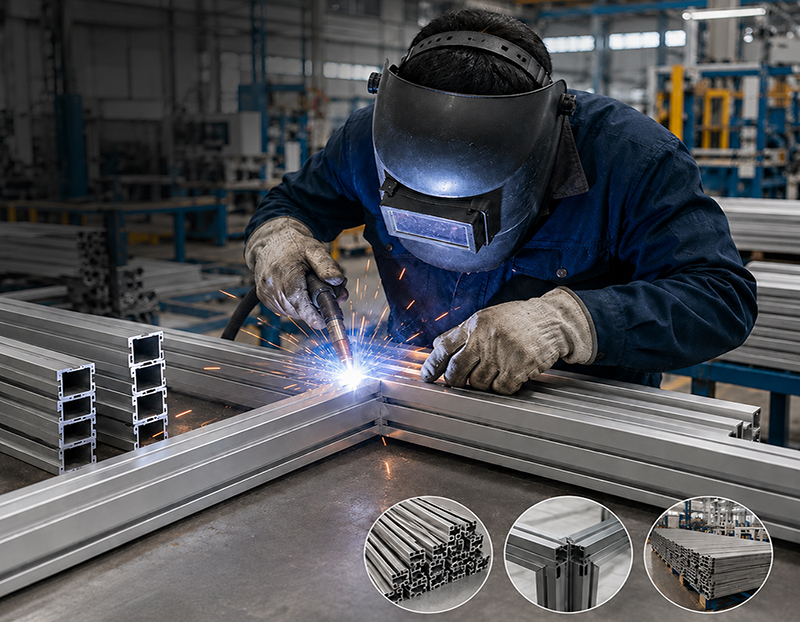
The next step is supplier evaluation. Buyers compare manufacturers based on production capability, export experience, customization flexibility, communication speed, and packaging standards. Real project photos, factory videos, and sample verification are often part of the decision-making process.
Supply chain diversification has also become a major factor. Many buyers now consider sourcing from multiple countries rather than relying on a single market. China remains strong in custom manufacturing, engineering flexibility, and mature supply chains, while Vietnam has become an increasingly attractive alternative for certain product categories and sourcing strategies.
Shipping and import planning are equally important. Smart buyers evaluate container optimization, freight costs, customs documentation, HS code classification, and local import compliance before placing orders.
The most successful buyers do not simply purchase products—they build reliable sourcing partnerships.
At Foshan Metal (FSM), we support global buyers with aluminum fencing, gates, railings, custom fabrication, and building material sourcing coordination through trusted China and Vietnam manufacturing networks.
Reliable sourcing. Flexible manufacturing. Global export support.